Opcije pristupačnosti Pristupačnost

About Us

The Department of Sociology was established in 1992 and is one of the core disciplines of the Faculty of Croatian Studies. The concept of sociology studies focuses on the application of sociological theories and social science methodology for understanding social processes and phenomena in the specific context of Croatian society and comparatively in a European and global perspective. The study of sociology aims to train highly qualified sociological research personnel with professional research and analytical skills necessary for productive work in the public and private sectors. The sociology program at the bachelor's and master's levels is organized according to current international scientific standards.
News from 2026

Latest news Page 2 of 5
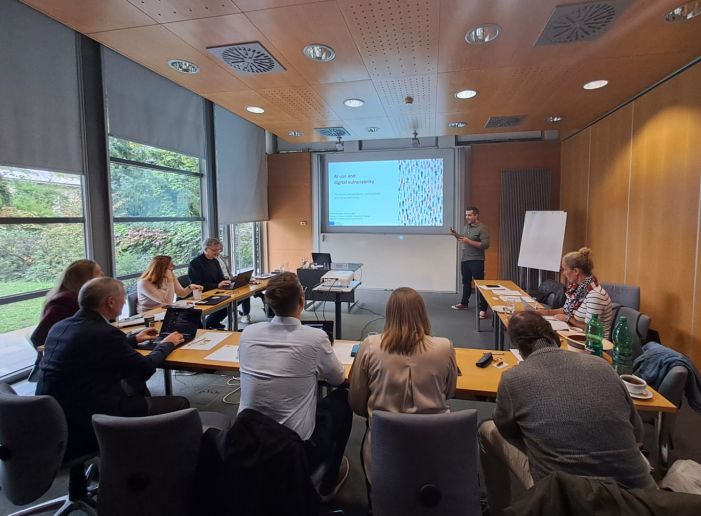
At a workshop on the future of artificial intelligence, they presented research findings on digital vulnerability, social well-being, and age differences in AI use
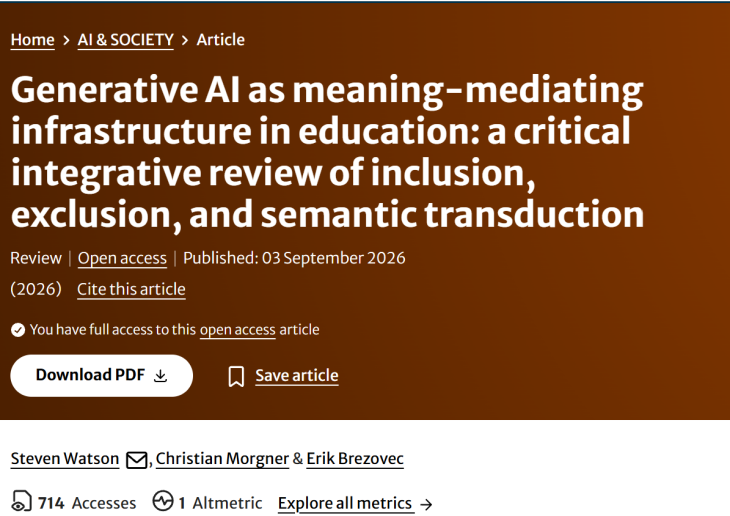
The paper, published in the international journal AI & Society , examines how generative artificial intelligence can affect inclusion, exclusion, and inequalities in education
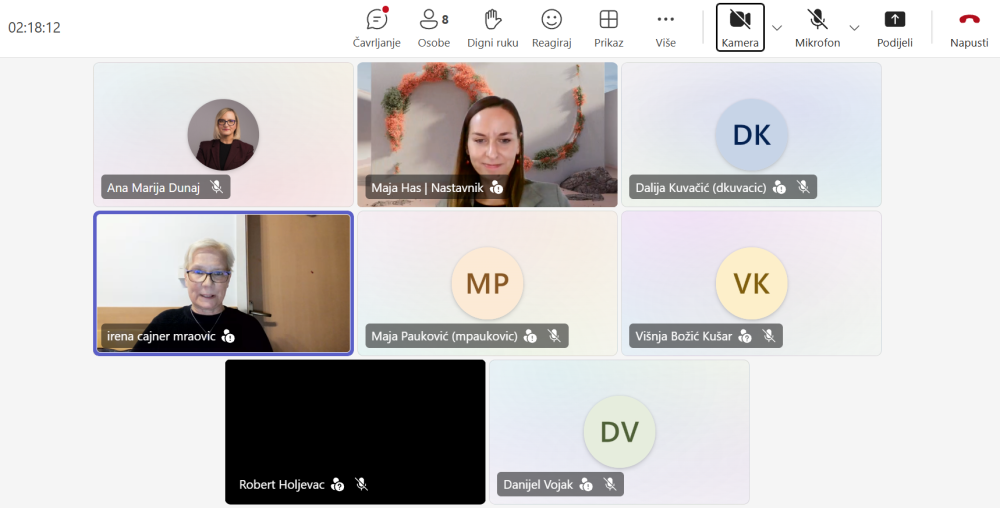
Prof. Irena Cajner Mraović, PhD, and Asst. Prof. Ana Marija Dunaj, PhD, presented research on differences between female homicide victims in urban and rural areas, as well as on digital inclusion and the use of e-government.
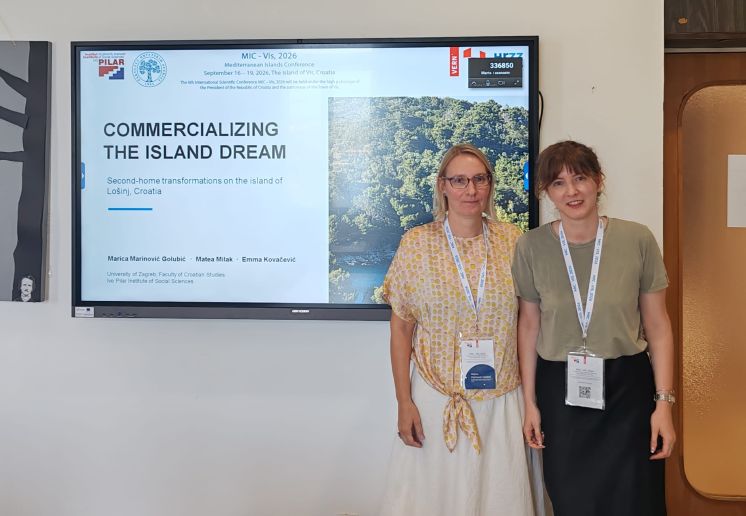
Associate Professor Marica Marinović Golubić and Assistant Professor Ivan Perkov presented research on the Mediterranean as a moral space and the transformation of second-home use on Croatian islands
Participation in the international seminar opened up new opportunities for developing Holocaust education and cooperation between the Faculty of Croatian Studies and Yad Vashem
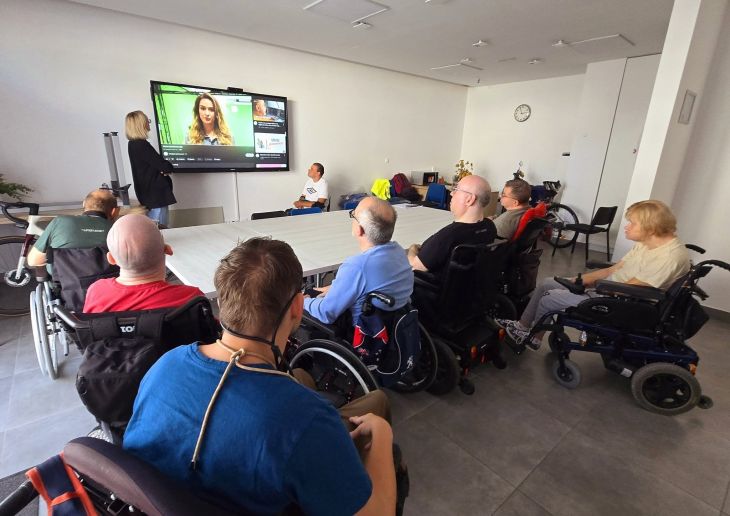
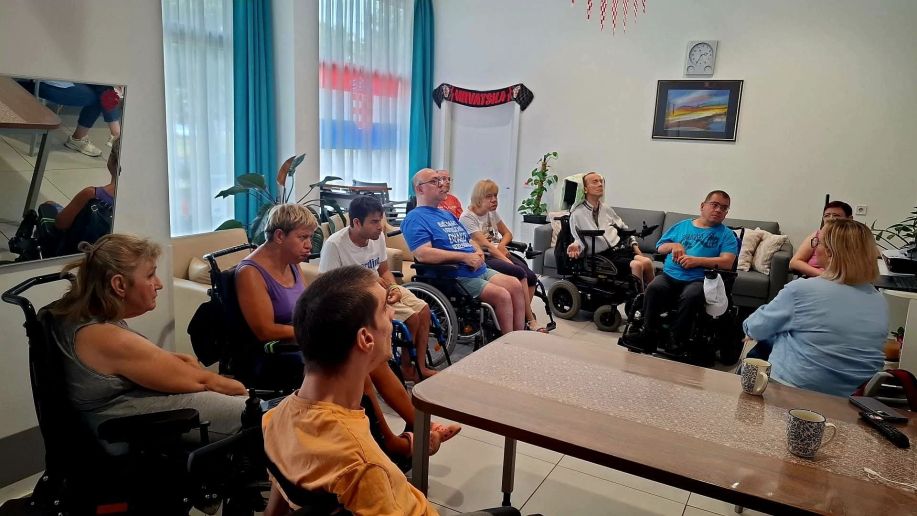
Through concrete examples, users of the Zagreb Centre for Independent Living learned how to assess the credibility of information and use digital content responsibly
The meeting focused on opportunities for cooperation within the project, particularly the organisation of an international conference planned for May 2027 and the development of joint research activities
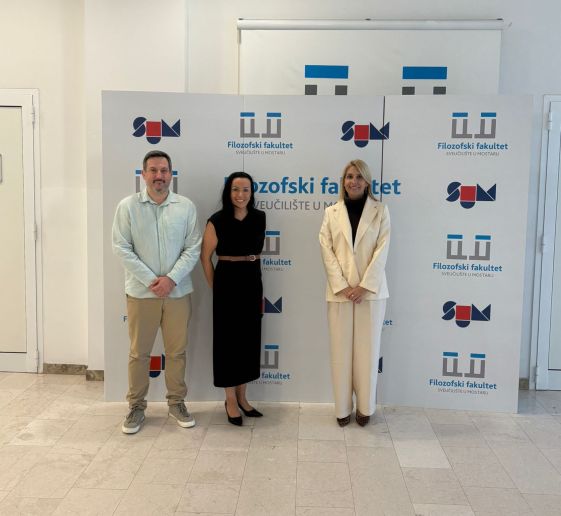
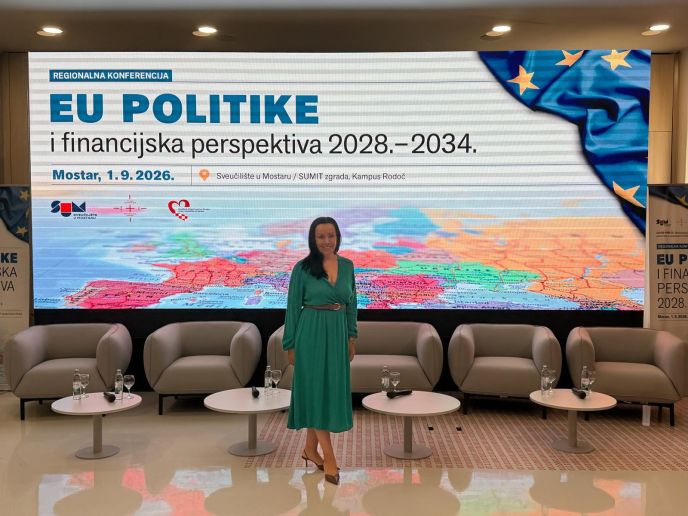
The Regional Conference “EU Policies and Financial Perspective 2028–2034” was held on 1 September at the University of Mostar Campus
Starting from the 2026/2027 academic year, students from UNIC member universities will be able to take five courses offered by the Department of Sociology at the Faculty of Croatian Studies
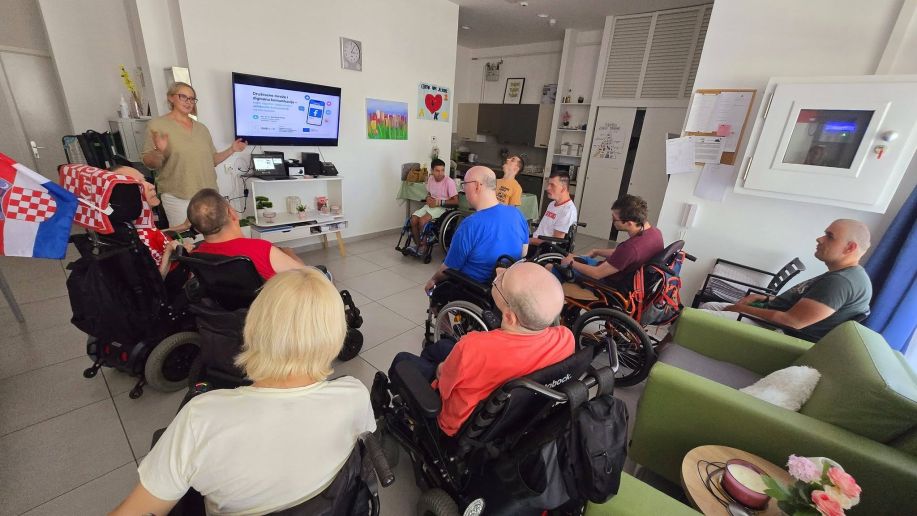
Through practical examples and interactive discussion, participants developed digital communication skills and learned the principles of safe, responsible and respectful behaviour in the digital environment  
Participation in the international programme confirms the continuous development of the Department of Sociology's teaching and research activities in the fields of Holocaust education and memory culture
Research findings published in the journal Kroatologija highlight the working conditions, social integration, and position of foreign workers in Croatia
Strong interest from participants in learning about the safe and responsible use of social media and effective communication on Facebook
Joint courses, mobility programs, and teaching cooperation connect the Faculty of Croatian Studies with Germany’s most popular university among students
Users of the Zagreb Centre for Independent Living Developed Digital Competencies and Explored the Potential of Artificial Intelligence
Guest lecturer from the University of Glasgow explained how standards, digitalization, and artificial intelligence shape contemporary society and why AI is increasingly taking part in the very process of “coding” social reality
Economic Integration of Migrant Workers Progresses, While Social Inclusion Remains a Challenge
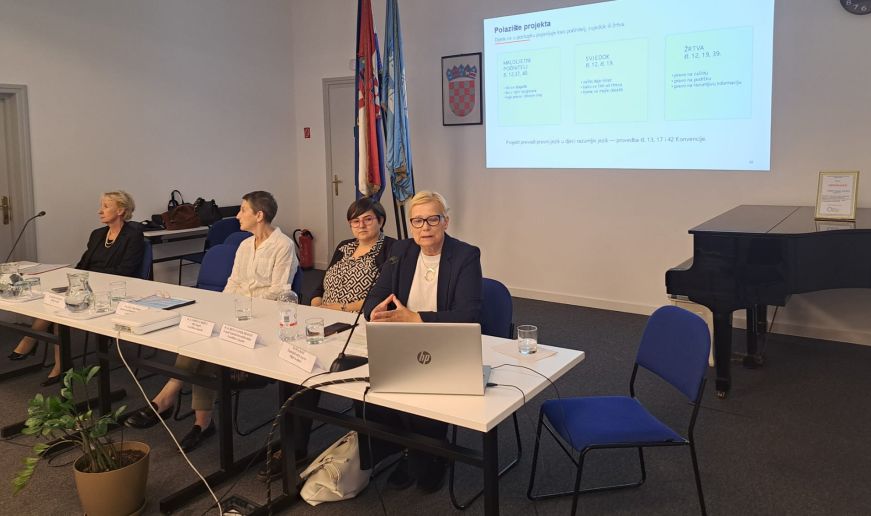
The conference highlighted the importance of providing children with clear and accessible information about their rights as witnesses, victims, and offenders
We invite you to attend a guest lecture by Dong-Hyu Kim, which will take place on Monday, 15 June, at 4:00 PM in the Library of the Faculty of Croatian Studies
The growing number of foreign workers in Croatia raises important questions about their economic and digital inclusion, social integration, and position within local communities